Switzerland, often associated with its scenic landscapes and high-quality products, has a fascinating and complex history deeply rooted in the European continent. This blog takes you on a journey through the centuries, from the earliest settlements to the modern, thriving nation Switzerland is today.
Early History: From the Celts to Roman Rule
Switzerland’s history begins long before the Common Era. Celts, Romans, and Germanic tribes all left their marks on the land. The Romans, in particular, played a significant role in shaping the region, leaving behind cities, roads, and introducing their culture and legal systems.
The Middle Ages: The Formation of the Confederation
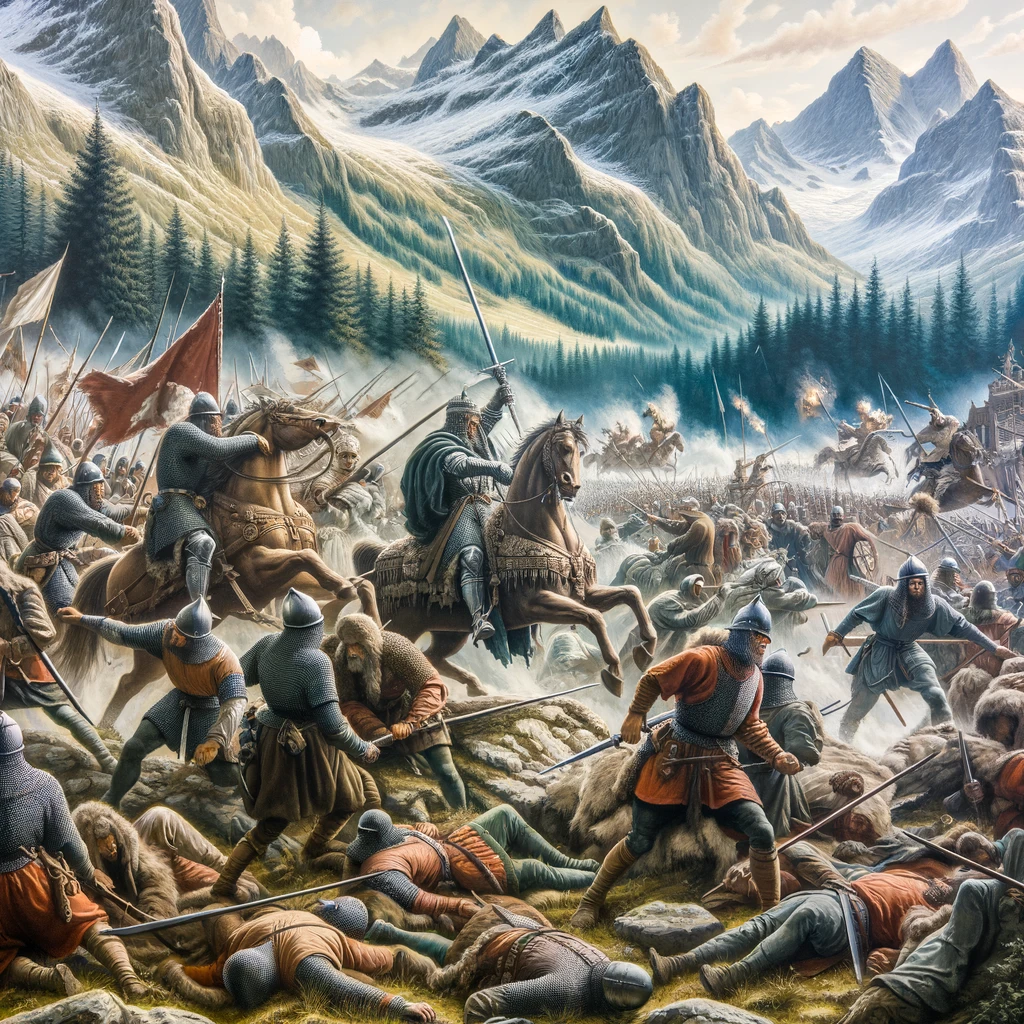
During the Middle Ages, the area of modern Switzerland was a mosaic of counties, duchies, and bishoprics. The legendary Rütli Oath and the Federal Charter of 1291, which established the Swiss Confederation, mark the beginning of a collective Swiss identity. The battles of Morgarten (1315) and Sempach (1386) symbolize resistance against external claims of dominance and the struggle for independence.
The Reformation and Its Impact
The 16th-century Reformation, led by Zwingli in Zurich and Calvin in Geneva, brought profound changes. This period was marked by religious and political upheaval, leading to armed conflicts within the Confederation.
The Napoleonic Era and Restoration
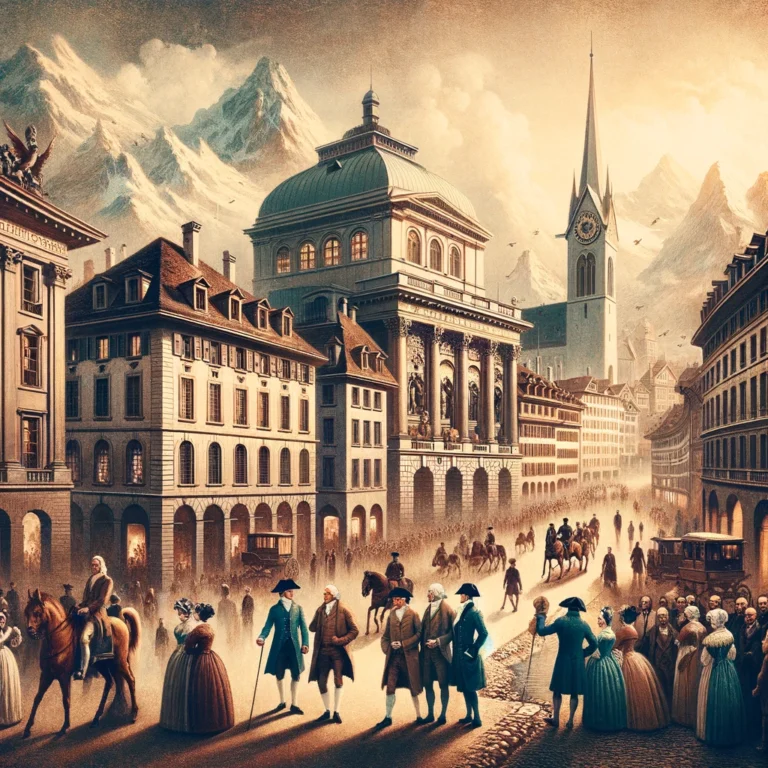
In the late 18th century, Switzerland was engulfed by the Napoleonic Wars. The Helvetic Republic, a unitary state established by Napoleon Bonaparte, introduced modern ideas like centralized administration but also faced resistance. The Congress of Vienna in 1815 internationally recognized Swiss neutrality.
Industrial Revolution and Economic Development
In the 19th century, Switzerland experienced a tremendous economic boom. The industrialization, particularly in the textile, watchmaking, and later in machinery and chemical industries, catapulted the country into modernity. The construction of the railway network connected various regions, boosting trade and tourism.
Political Modernization in the 20th Century
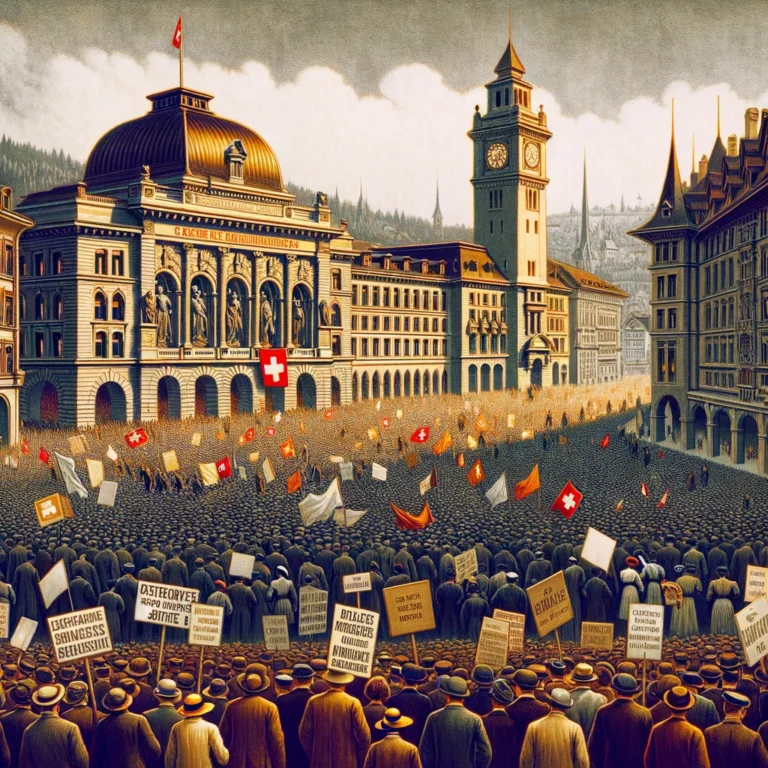
The 20th century was a time of political modernization for Switzerland. The 1918 general strike led to significant social reforms and the introduction of proportional representation. Switzerland remained neutral during both World Wars, offering refuge to many fleeing the conflict.
Switzerland in the Cold War and Beyond
During the Cold War, Switzerland was a place of dialogue and diplomacy. Its role in international organizations, such as the Red Cross and later the United Nations, enhanced its international standing. After the Cold War, Switzerland adapted to the changed European landscape but remained outside the European Union.
Switzerland in the 21st Century
Today, Switzerland is known for its high quality of life, robust economy, and commitment to environmental protection and sustainability. It remains a key player on the international stage, especially in the areas of diplomacy, humanitarian aid, and finance.
Conclusion
Switzerland’s history is marked by a remarkable ability to adapt and innovate. It has evolved from a loose association of small states to one of the world’s most stable and prosperous democracies. Its history is a testament to the power of cooperation, peace, and mutual respect among different cultures and languages.
Switzerland’s history reflects values such as democracy, diversity, and independence. It shows how a small beginning can lead to a country known globally for its stability, prosperity, and innovative spirit.