Introduction
The History of Fondue
Fondue: A Culinary Deep Dive
The Social Aspect of Fondue
Raclette: From Humble Beginnings to Gourmet Status
Raclette: The Ultimate Melted Cheese Experience
Beyond Fondue and Raclette
Conclusion
Swiss cuisine is a harmonious blend of flavors and traditions, nestled in the heart of Europe. It reflects the influences of its neighbors but retains unique characteristics that make it distinctly Swiss. Among its most celebrated culinary traditions are fondue and raclette, dishes that have transcended their Alpine origins to become symbols of Swiss culture and communal dining.
The History of Fondue
Fondue’s roots can be traced back to the 18th century in the Swiss Alps. Originally a humble peasant dish, it was a practical way to use aged cheese and stale bread during winter months. The term ‘fondue’ is derived from the French ‘fondre,’ meaning ‘to melt,’ aptly describing this dish of melted cheese.
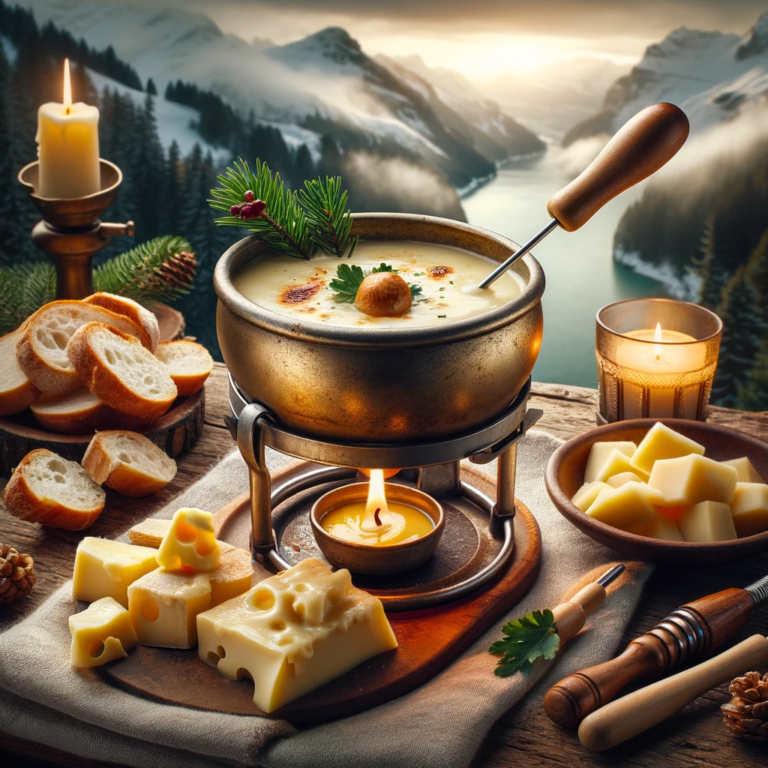
Fondue: A Culinary Deep Dive
A classic fondue is a blend of cheeses like Gruyère and Emmental, melted with white wine and a hint of garlic. The creamy mixture is heated in a communal pot (caquelon) and served with long forks used to dip pieces of bread. Regional variations might include the addition of mushrooms, tomatoes, or different cheese blends.
More than just a dish, fondue is a social ritual. The act of gathering around a pot, dipping and sharing bread, fosters a sense of community. It’s common in Swiss culture to enjoy fondue during celebrations, where the communal pot becomes a centerpiece for social interaction.
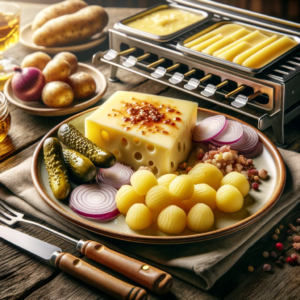
Raclette: From Humble Beginnings to Gourmet Status
Raclette, like fondue, has rural origins. It involves melting the surface of a wheel of semi-hard cheese (traditionally Raclette cheese) and scraping off the melted layer onto plates. Historically, Swiss shepherds would heat the cheese by the fire, a method still cherished in traditional settings.
Raclette: The Ultimate Melted Cheese Experience
Modern raclette dinners feature a tabletop grill where diners melt slices of cheese in small pans. Accompaniments include boiled potatoes, pickled onions, and gherkins. Raclette is as much about the experience as it is about the food – a leisurely meal that encourages conversation and enjoyment.
The variety of Swiss food
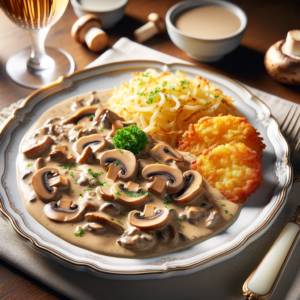
Swiss cuisine is diverse. Dishes like Rösti (a potato fritter), Zürcher Geschnetzeltes (sliced veal in a creamy sauce), and a variety of sausages and pastries demonstrate the range of Swiss culinary delights, influenced by German, French, and Italian cuisines.
The Global Influence of Swiss Culinary Traditions
Fondue and raclette have found their way into the global culinary scene. Restaurants worldwide serve variations of these dishes, adapting them to local tastes and ingredients, while still maintaining the communal spirit that defines them.
Sustainable and Local: The Swiss Approach
Swiss cuisine is deeply rooted in local and sustainable practices. The country’s cheese-making is renowned, with a focus on quality and traditional methods. Swiss agricultural practices emphasize organic farming, echoing a national commitment to sustainability.
For food enthusiasts, Switzerland offers a culinary journey like no other. From high-end restaurants in Zurich to cozy mountain inns in the Alps, there are countless places to experience authentic Swiss dishes. Moreover, Switzerland hosts numerous food festivals, celebrating everything from cheese to chocolate, offering visitors a taste of Swiss gastronomy.
References:
“Swiss Cuisine.” Switzerland Tourism. https://www.myswitzerland.com/en-ch/plan-your-trip/know-before-you-go/swiss-cuisine/
“Fondue.” MySwitzerland.com. https://www.myswitzerland.com/en-ch/plan-your-trip/gastronomy/food-wine-and-spirits/fondue/
“Raclette.” MySwitzerland.com. https://www.myswitzerland.com/en-ch/plan-your-trip/gastronomy/food-wine-and-spirits/raclette/
MySwitzerland.com. https://www.myswitzerland.com/en-ch/plan-your-trip/gastronomy/food-w
nice